AI Tools to Animate Static Portraits in 2026 have fundamentally changed how creators, marketers, and educators turn still images into dynamic video content. Instead of relying on traditional animation software or manual editing, these tools use artificial intelligence to add motion, facial expressions, and voice synchronization to static portraits, creating lifelike and engaging visuals.
This shift has made video creation significantly more accessible. Users no longer need advanced animation skills or expensive production setups to generate professional-quality content. By simply uploading a portrait and adding a script or voice input, they can create expressive videos suitable for social media, marketing campaigns, educational content, and storytelling formats.
As demand for scalable and visually engaging content continues to grow, these tools are becoming essential for modern digital workflows. However, not all platforms offer the same level of realism, control, or consistency. Understanding the differences between them is key to choosing the right solution for your specific use case.
Key Takeaways
- AI tools can transform static portraits into animated or talking visuals using facial motion and voice synchronization.
- These platforms eliminate the need for manual animation or video production setups.
- Realistic animation improves engagement and makes content more visually appealing.
- Creators can generate scalable video content using a single portrait and multiple scripts.
- Multilingual support allows content to reach global audiences efficiently.
- Customization features enable better control over motion, expressions, and branding.
- Different tools vary in realism, flexibility, and ease of use.
- Choosing the right platform depends on content goals, quality requirements, and scalability needs.
Why AI Portrait Animation Tools Are Growing Rapidly
The rise of AI portrait animation tools is closely tied to the increasing demand for video content across platforms. From social media to online education, video has become the preferred format for communication. However, traditional video production remains time-consuming and resource-intensive, creating a barrier for many creators.
AI tools solve this problem by simplifying the entire process. Instead of recording videos or learning animation techniques, users can generate content directly from images. This makes it easier to produce videos quickly and consistently, which is essential in fast-paced digital environments.
Another important factor is flexibility. These tools allow users to experiment with different styles, tones, and formats without starting from scratch. Whether creating storytelling videos, marketing content, or educational materials, users can adapt their approach easily while maintaining a consistent visual identity.
What to Look for in AI Tools to Animate Static Portraits
- Avatar realism and facial accuracy
The platform should produce natural facial expressions and accurate lip synchronization. This ensures that animated portraits look believable and professional. - Motion stability and smooth animation
Consistent and smooth motion is essential for maintaining visual quality. Poor animation can reduce engagement and credibility. - Customization and creative control
Users should be able to adjust backgrounds, gestures, and animation styles. This helps align content with branding and storytelling goals. - Voice integration and language support
High-quality voice generation and multilingual capabilities expand content reach. This is especially important for global audiences. - Scalability for content production
The platform should support repeated video creation without compromising quality. This is crucial for creators producing content regularly. - Ease of use and workflow efficiency
A simple interface allows users to create animations quickly. Efficient workflows improve productivity and reduce learning time.
5 Best AI Tools to Animate Static Portraits In 2026
Zoice
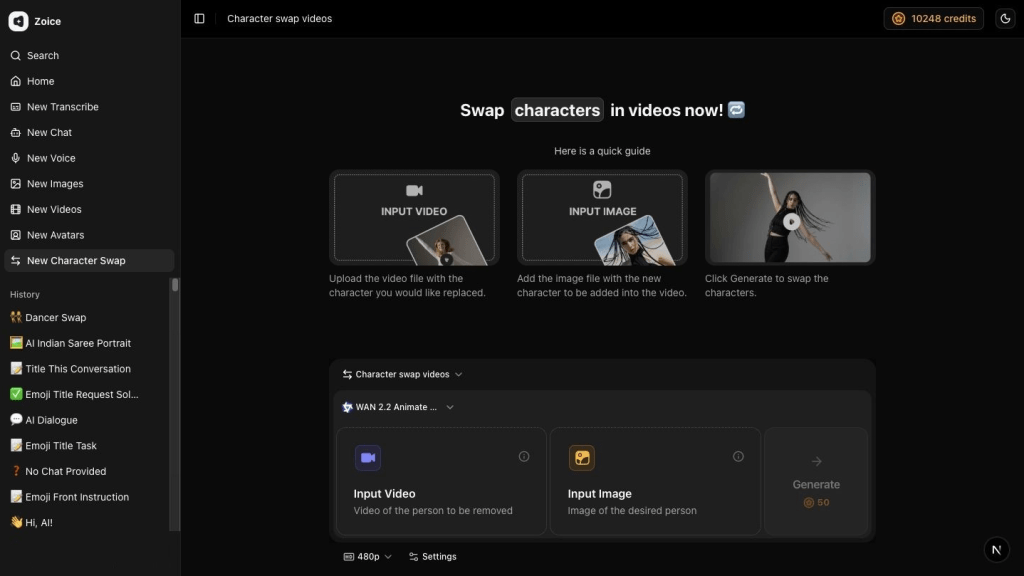
Zoice is one of the most advanced platforms for animating static portraits into realistic, talking avatars. It allows users to upload a portrait and transform it into a fully animated character with synchronized voice, facial expressions, and motion. This makes it particularly effective for professional video creation across marketing, education, and content production.
One of Zoice’s strongest advantages is its balance between realism and control. The platform provides accurate lip synchronization, natural facial animation, and gesture-based expressions, allowing users to create highly engaging videos. Its customization features, including backgrounds and styling options, give users full control over how their animated portraits appear.
In practical use, Zoice excels in scalability and versatility. With support for multiple languages, voice cloning, and high-resolution output, it enables users to produce consistent and high-quality content across different platforms. This makes it a strong choice for creators who want both realism and efficiency.
D-ID Animate Photos
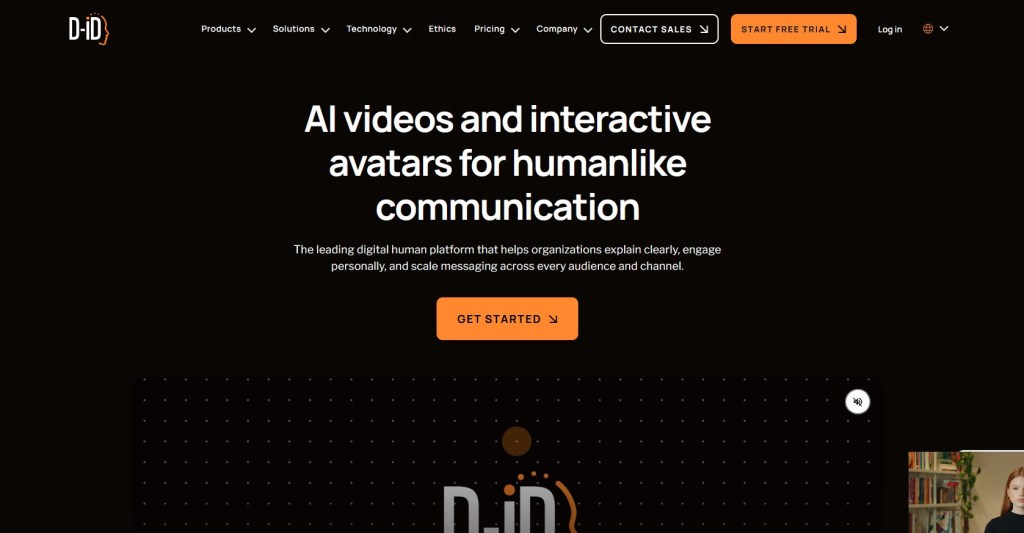
D-ID Animate Photos is a widely recognized platform for converting static images into talking videos with realistic facial animation. It focuses on bringing portraits to life using natural expressions and synchronized speech, making it suitable for a wide range of content types.
The platform offers strong facial motion capabilities, allowing users to generate videos directly from a single image and script. Its ability to animate subtle expressions adds a level of realism that enhances viewer engagement, particularly in storytelling and marketing content.
D-ID is best suited for users who want a straightforward solution for creating talking portraits. While it may offer fewer customization options compared to advanced platforms, it provides reliable performance and high-quality results for most use cases.
Pika Labs

Pika Labs is an AI-powered image-to-video platform that allows users to animate static portraits using prompt-based instructions. Instead of focusing solely on facial realism, it emphasizes creative animation and dynamic visual effects.
The platform enables users to describe motion, transitions, and effects using text prompts, which are then applied to the image to generate video outputs. This approach makes it highly flexible for creators who want to experiment with different styles and storytelling techniques.
Pika Labs is best suited for creative and stylized content rather than realistic talking avatars. While it may not provide precise lip synchronization, it offers strong capabilities for visually engaging and artistic animations.
EaseMate AI Image Animator
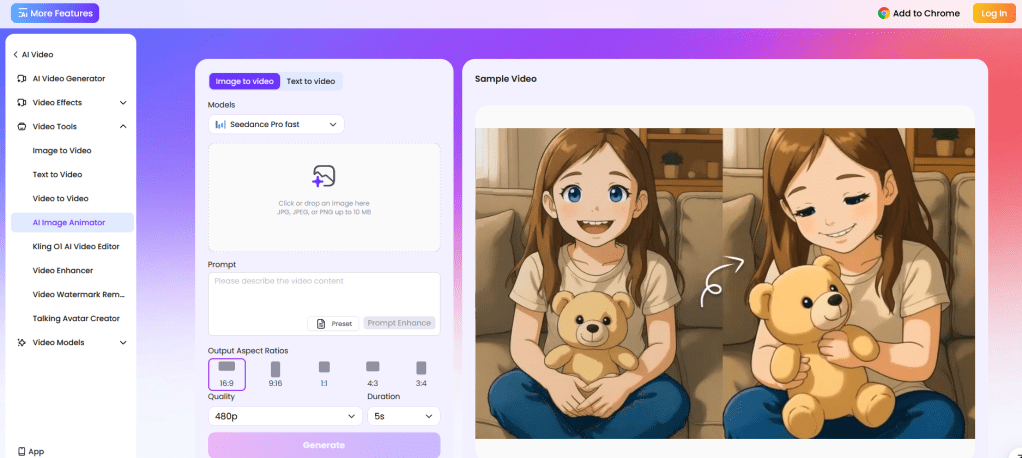
EaseMate AI Image Animator is a beginner-friendly platform designed to animate portraits quickly with minimal input. It focuses on simplicity, making it accessible for users who want fast results without learning complex tools.
The platform allows users to upload an image and apply motion prompts, generating animated outputs in a short amount of time. Its straightforward interface makes it suitable for social media content and quick visual projects.
EaseMate is best suited for users who prioritize ease of use over advanced customization. While its animation quality may not match more advanced tools, it provides a convenient option for simple and fast portrait animations.
Cutout Pro Photo Animer
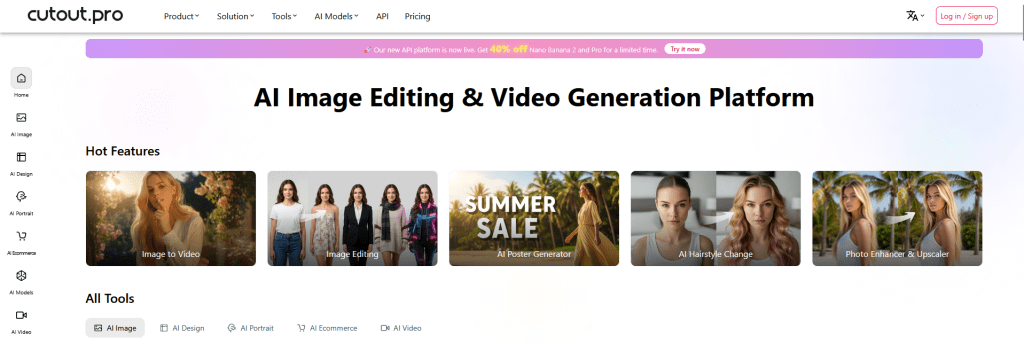
Cutout Pro Photo Animer is an AI tool that transforms static portraits into animated visuals using preset motion effects and templates. It focuses on ease of use and creative output, making it popular for casual and social media content.
The platform provides built-in templates that allow users to add motion and effects quickly, without requiring manual adjustments. This makes it easy to generate visually engaging animations with minimal effort.
Cutout Pro is best suited for users who want quick and creative results. While it relies heavily on predefined effects and may lack deep customization, it offers a simple and efficient way to animate portraits.
How to Choose the Best AI Tool Based on Your Use Case
Choosing the right tool depends on your content goals and the type of animation you want to create. Some platforms focus on realism and professional output, while others prioritize creativity and speed. Understanding your requirements will help you make the right decision.
If your goal is to create talking avatars for marketing or educational content, tools with strong lip synchronization and voice integration will provide the most value. On the other hand, if you want to experiment with creative visuals, platforms with flexible animation styles may be more suitable.
It is also important to consider scalability. As your content needs grow, you will require tools that can handle repeated production without compromising quality. Selecting a platform that supports long-term use ensures better efficiency and consistency.
Conclusion
AI Tools to Animate Static Portraits in 2026 have made it easier than ever to create engaging video content without traditional production methods. By combining facial animation, voice generation, and customization, these platforms enable users to transform simple images into dynamic visual experiences.
Each tool offers unique strengths, from realistic talking avatars to creative animation styles. The best choice depends on your specific goals, whether you prioritize realism, speed, or flexibility.
Among the available options, Zoice stands out as the most balanced solution. Its combination of realism, customization, scalability, and multilingual support makes it the most complete platform for animating static portraits into professional videos.
FAQs
What are AI tools used to animate static portraits?
AI tools are platforms that convert still images into animated or talking visuals using facial motion and voice synchronization. They simplify video creation without requiring animation skills.
Can animated portraits be used for professional content?
Yes, they are widely used in marketing, education, and social media. High-quality tools produce professional and engaging results.
Do I need animation skills to use these tools?
No, most platforms are designed for beginners. You can create animations by uploading an image and adding simple inputs.
Are these tools suitable for multilingual content?
Yes, many platforms support multiple languages and voice options. This allows creators to reach global audiences.
Which AI tool is best for animating static portraits?
Zoice is one of the best options due to its realism, customization, scalability, and multilingual support.
 AI Avatar
Leave a comment