Lip-sync AI for static images is one of the most powerful advancements in AI-driven video creation. It allows you to take a still image and convert it into a speaking video where the lips, facial movements, and expressions are synchronized with a voice or script. Instead of relying on traditional video recording, this method enables you to create realistic talking visuals using just a single image.
In 2026, this approach is widely used across faceless YouTube channels, educational content, storytelling formats, and short-form platforms. The ability to animate a static image with accurate lip sync removes the need for cameras, recording setups, and manual editing. This makes the process faster, more scalable, and easier to manage.
When you use lip-sync AI for static images, you are essentially turning a photo into a digital presenter. This presenter can deliver multiple videos while maintaining the same appearance and voice. Over time, this consistency helps build a recognizable identity, which is important for audience engagement and retention.
Platforms like Zoice simplify the entire process by structuring it into clear steps. Instead of handling animation and synchronization separately, everything is integrated into a workflow that ensures accurate lip movement and natural expression.
Why Use Lip-Sync AI For Static Images?
One of the main reasons creators use this method is to eliminate the need for live recording. You don’t need to appear on camera or worry about lighting, background, or retakes. This makes it ideal for creators who want to stay anonymous or streamline their workflow.
Another major benefit is accuracy. Modern lip-sync AI systems can match voice input with precise mouth movements, making the video appear natural. This level of realism is significantly better than basic animation or text-based visuals.
Efficiency is also a key advantage. Traditional video production can be time-consuming, involving multiple steps from recording to editing. With lip-sync AI, you can generate a complete video by simply uploading an image and adding a script or voice.
Consistency plays an important role as well. Using the same image and voice across multiple videos helps establish a uniform style. This makes your content more recognizable and professional.
Additionally, this method allows for flexibility. You can easily update scripts, test different tones, and create variations without starting from scratch. This makes it easier to experiment and improve your content over time.
Steps to Create Lip-Sync AI For Static Images Using Zoice
Before starting, it’s important to understand that the process is divided into three main stages: creating the avatar from your image, setting up the voice, and generating the lip-synced video. Each stage contributes to the final quality and realism of the output.
Step 1 – Log into Zoice Dashboard
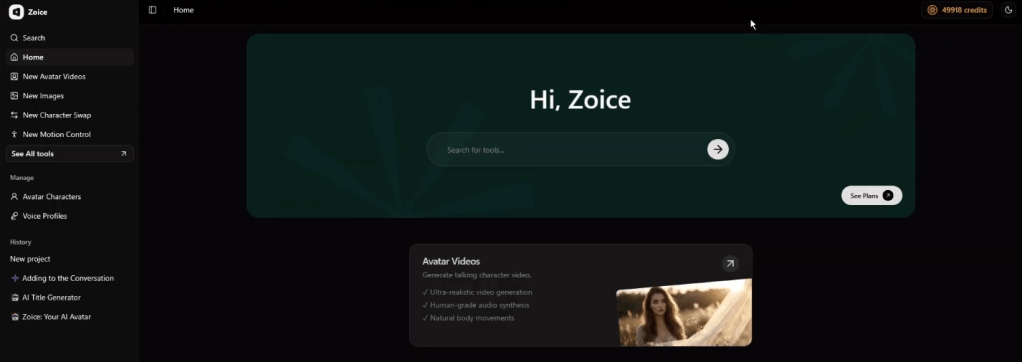
Begin by logging into your Zoice account. The dashboard serves as your main workspace where you can access all features related to avatar creation, voice profiles, and video generation. Take a moment to familiarize yourself with the layout.
Step 2 – Navigate to Avatar Characters
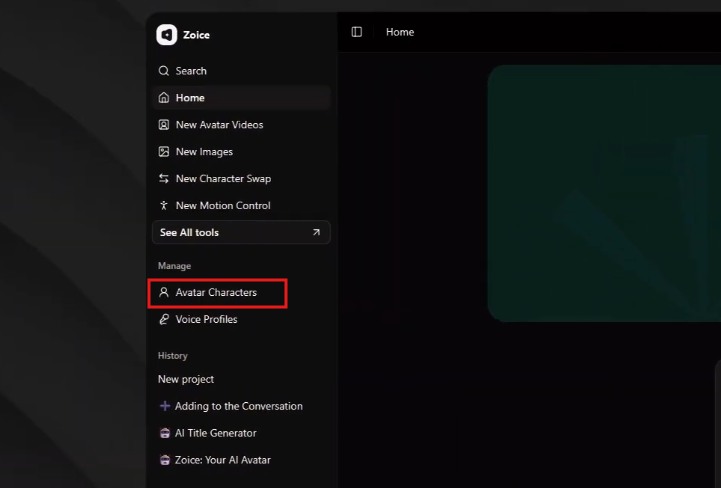
From the left sidebar, click on Avatar Characters. This section allows you to create and manage avatars based on static images.
Step 3 – Click on Create New
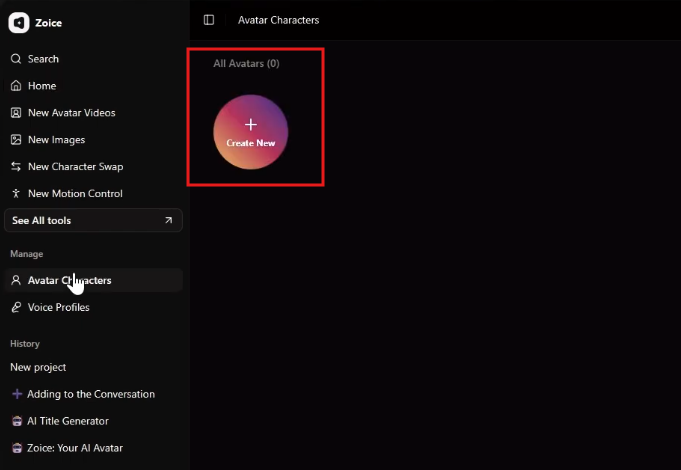
Select the Create New option to begin the process. This will open the interface where you can upload your image and start building your avatar.
Step 4 – Upload a Static Image
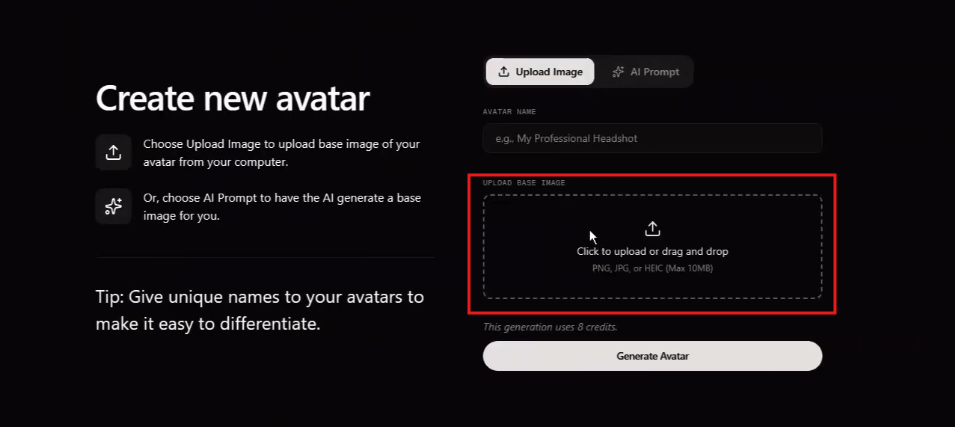
Choose the Upload Image option and select a high-quality, front-facing image. The image should be clear, well-lit, and free from obstructions. The quality of the image directly impacts the accuracy of lip synchronization.
Step 5 – Name Your Avatar

Assign a name to your avatar so you can easily identify it later. This is helpful when managing multiple avatars for different types of content.
Step 6 – Generate the Avatar
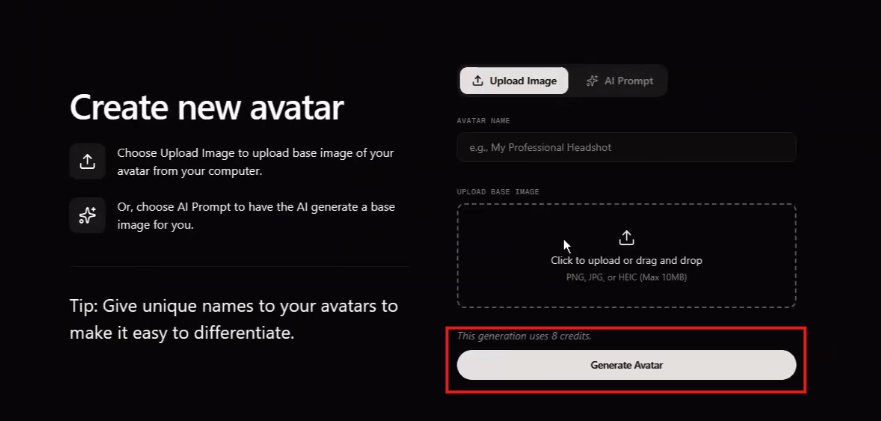
Click Generate Avatar and allow Zoice to process your image. During this step, the system maps facial features such as lips, eyes, and jawline to prepare for animation.
Step 7 – Navigate to Voice Profiles
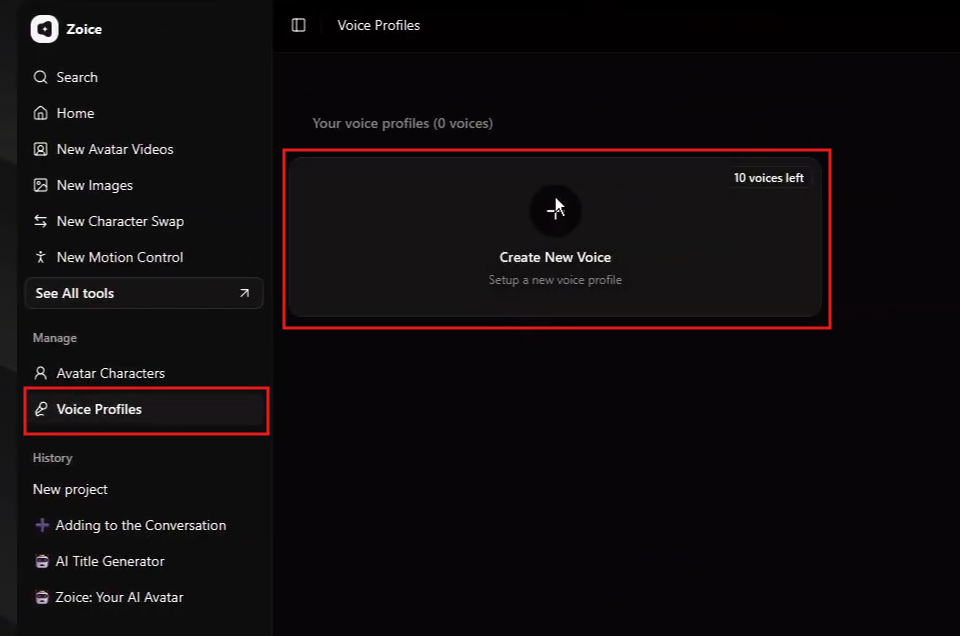
Once your avatar is ready, go to the Voice Profiles section. This is where you define the audio that will drive the lip sync.
Step 8 – Upload or Create Voice
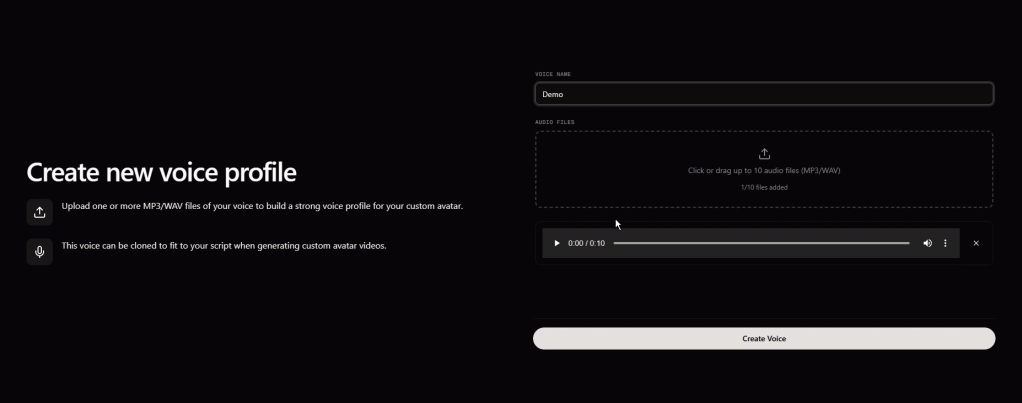
You can upload a voice sample or select an AI-generated voice. After choosing your preferred option, assign a name and save it as a voice profile. Clear audio input improves lip-sync accuracy.
Step 9 – Open New Avatar Videos
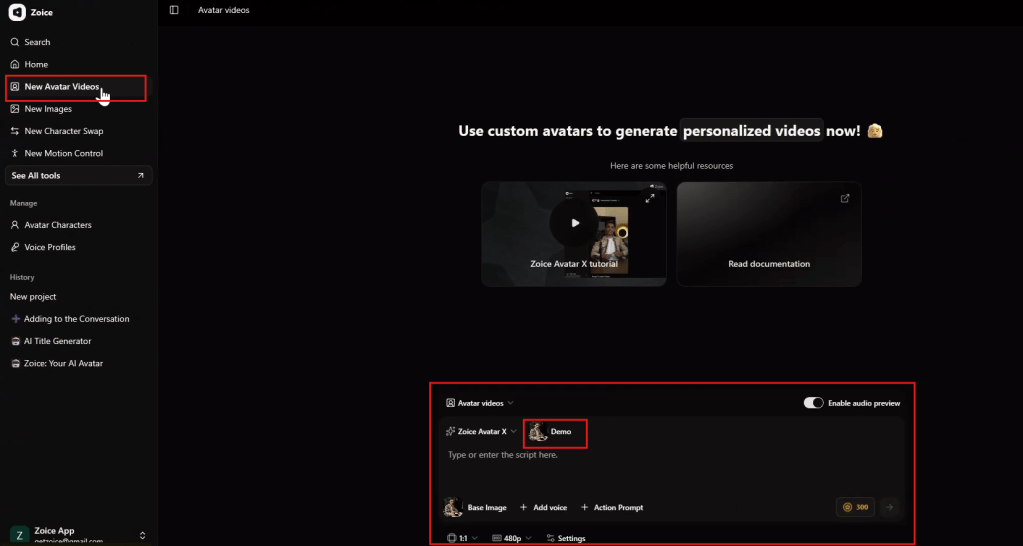
Navigate to New Avatar Videos to start creating your video. This is where you combine your avatar, voice, and script.
Step 10 – Add Script for Lip Sync
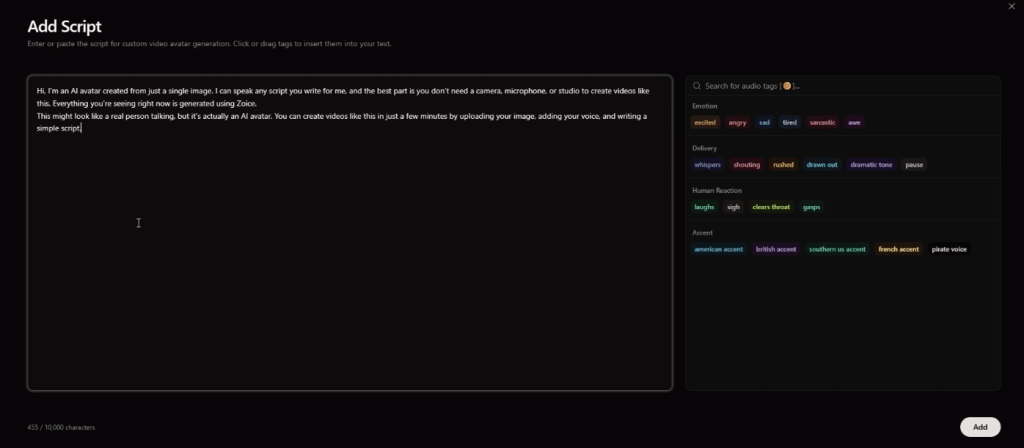
Enter your script into the text field. The AI will use this script to generate voice (if using text-to-speech) and synchronize it with the avatar’s lip movements.
Step 11 – Adjust Expressions and Timing
Customize emotional tones and reactions to match your script. Proper expression settings enhance the realism of the lip sync.
Step 12 – Select Voice Profile
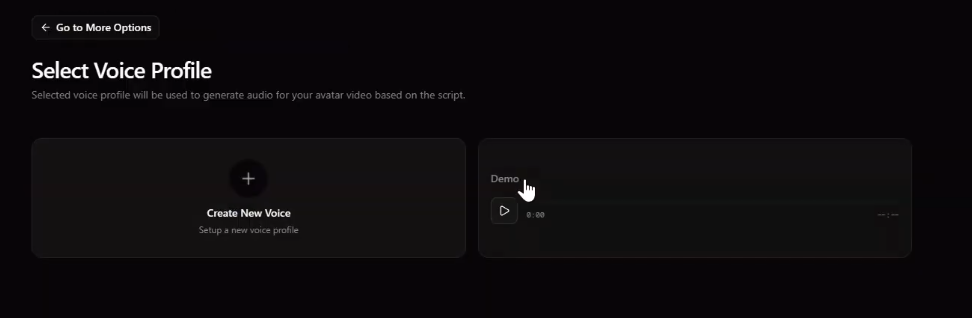
Choose the voice profile you created earlier. This ensures that the lip movements are accurately aligned with the selected voice.
Step 13 – Configure Video Settings
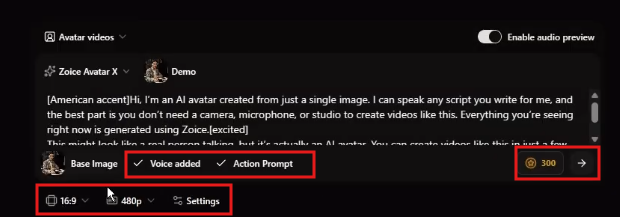
Adjust settings such as resolution, format, and aspect ratio. A 16:9 format is recommended for most platforms. Higher resolution improves visual clarity.
Step 14 – Generate Final Lip-Sync Video
Click Generate to create your video. Zoice will process your inputs and produce a video with synchronized lip movements and voice.
Conclusion
Lip-sync AI for static images has transformed video creation by making it possible to generate realistic speaking videos from a single image. It removes the need for traditional recording and editing, allowing creators to focus on content and strategy.
By combining a high-quality image, a clear voice, and a well-structured script, you can create engaging and consistent videos that feel natural and professional. This method is ideal for faceless content, educational videos, and scalable content strategies.
Zoice provides a structured workflow that ensures accurate lip synchronization and high-quality output. From creating an avatar to generating the final video, every step is designed to make the process efficient and repeatable.
For creators looking to produce videos quickly without compromising on realism, lip-sync AI for static images offers a powerful and practical solution.
FAQs
What is lip-sync AI for static images?
It is a technology that animates a static image to match lip movements with a voice or script using AI.
Do I need to record my own voice?
No, you can use AI-generated voices or upload your own voice sample.
What type of image works best?
A high-quality, front-facing image with clear facial features and good lighting.
Can I reuse the same avatar for multiple videos?
Yes, once created, the avatar can be reused with different scripts and voices.
Is lip sync accurate in AI videos?
Yes, modern AI systems provide highly accurate lip synchronization when the input voice is clear.
Is this suitable for YouTube monetization?
Yes, as long as your content follows platform guidelines and provides value.


Leave a Reply