If you have been using HeyGen for a while, you already know it does a decent job for quick avatar videos. But in 2026, the expectations around AI-generated video content have changed dramatically. What once felt impressive now feels basic. Viewers notice small inconsistencies, brands demand precision, and creators want complete control over how their digital presence looks and behaves.
That shift is exactly why more users are actively searching for better HeyGen alternatives. It is not about replacing one tool with another just for the sake of it. It is about finding platforms that can deliver stable, realistic, and repeatable performance across dozens or even hundreds of videos without breaking visual consistency.
In this guide, I will walk you through what has changed, why HeyGen alternatives are gaining attention, and which tools are actually worth considering if you care about long-term video quality, scalability, and reliability.
Why Creators Are Moving Beyond HeyGen
Let me be direct with you. HeyGen still works fine for basic use cases. If you are creating short, one-off videos, it can get the job done quickly. But the moment you start producing content regularly, you begin to notice the cracks.
The first issue most users experience is facial inconsistency. It is subtle at first. Maybe the eye alignment shifts slightly between videos, or the expressions feel a bit off when compared side by side. But over time, these small differences add up and start affecting how your content is perceived. If you are building a personal brand or representing a business, that inconsistency becomes a real problem.
Then comes motion quality. Smooth, natural movement is what separates a convincing avatar from something that feels artificial. In many cases, users find that motion can become repetitive or slightly mechanical, especially in longer videos. That reduces engagement and makes the content feel less human.
Another important factor is control. As your content strategy evolves, you want more flexibility. You want to adjust tone, pacing, delivery style, and expression intensity depending on the platform or audience. Basic tools often limit this level of customization.
Finally, there is scalability. Creating one video is easy. Creating 50 videos while maintaining identical quality and consistency is where most tools struggle. That is why creators are now prioritizing platforms that deliver reliable performance every single time.
What You Should Look for in a HeyGen Alternative
Before jumping into specific tools, it is important to understand what actually matters. Not every alternative is automatically better. The difference comes down to how well a platform performs in real-world usage.
The first thing you should evaluate is facial stability. Your avatar should look exactly the same across every video. That includes facial structure, proportions, and expression behavior. If there is any drift, even slightly, it weakens identity consistency.
Next is motion consistency. Pay attention to how the avatar moves. Does the head movement feel natural? Do expressions transition smoothly? Are gestures fluid or do they reset awkwardly? Motion quality has a direct impact on how real the avatar feels.
Then comes realism. This is not just about appearance. It includes lip sync accuracy, timing of expressions, blinking behavior, and micro-movements. The more subtle and precise these elements are, the more believable the avatar becomes.
Customization is another major factor. A strong platform should allow you to control voice, tone, pacing, and expression style. This flexibility becomes crucial when you are creating content for different audiences or platforms.
You should also consider social media optimization. Today’s content is not just viewed on desktops. It is consumed on mobile devices in vertical formats. A good tool should support these formats naturally without requiring heavy editing afterward.
And finally, scalability. Ask yourself this simple question: can this tool maintain the same level of quality when I scale my output? If the answer is no, it will not work for long-term content strategies.
Best HeyGen Alternatives You Should Consider
Zoice
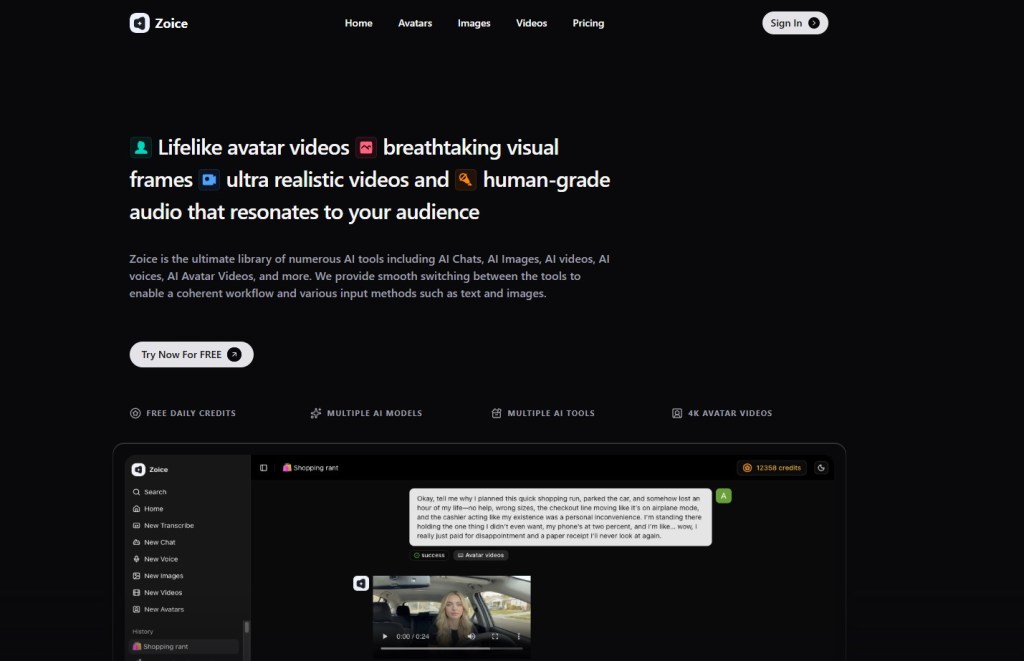
If your priority is consistent, high-quality output across multiple videos, Zoice is currently one of the strongest alternatives available. What makes it stand out is its focus on stability rather than just speed.
When you use Zoice, the first thing you notice is how consistent the avatars look. The facial structure does not shift between videos, and expressions remain stable even during longer scripts. This is particularly useful if you are building a recognizable on-screen identity.
Another strong point is motion realism. The avatars move in a way that feels natural rather than programmed. Head movements are smooth, blinking feels organic, and lip sync is tightly aligned with speech. These small details make a big difference in how your content is perceived.
Zoice also performs well when it comes to scalability. Whether you are creating a few videos or producing content in bulk, the output remains consistent. That reliability is what makes it suitable for serious creators and businesses.
Synthesia

Synthesia has been around for a while and is still one of the most widely used platforms for structured video content. It is especially popular in corporate environments, training modules, and internal communication.
The platform is known for its stability. When you generate videos, the facial rendering remains consistent, and the narration is clear and well-synchronized. This makes it a dependable choice for formal and informational content.
Another advantage is its multilingual capability. If you are creating content for different regions, Synthesia makes it easy to produce videos in multiple languages without losing clarity or quality.
However, where Synthesia falls slightly behind is in expressiveness. The avatars tend to feel more controlled and less dynamic. If your goal is to create engaging social media content, you might find it a bit limited in terms of emotional depth.
D-ID
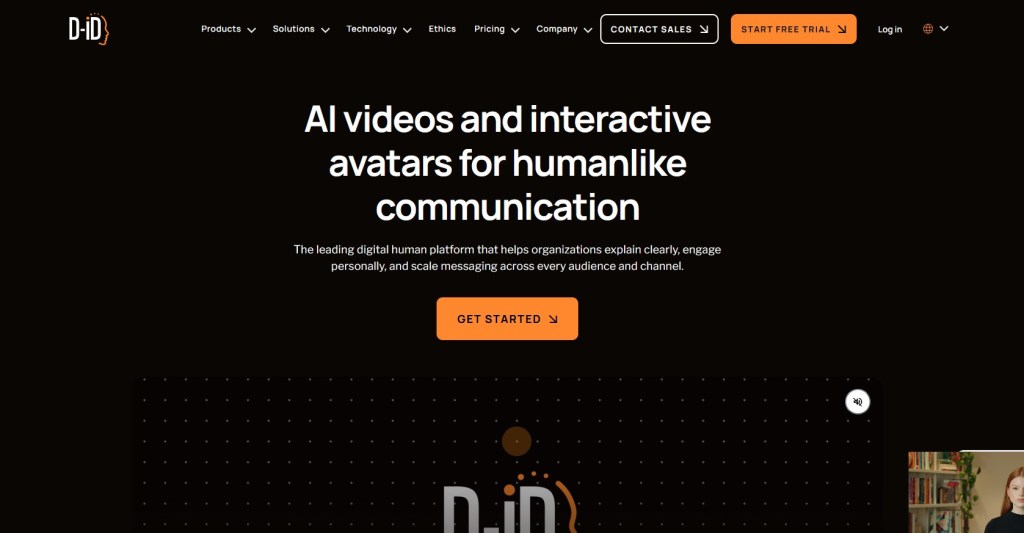
D-ID takes a slightly different approach by focusing on turning images into talking avatars. This makes it one of the fastest tools to use, especially for quick projects or simple explainer videos.
One of its biggest strengths is accessibility. You do not need complex setup or advanced skills to start creating videos. You can generate content quickly, which is useful when speed is your top priority.
The platform also supports natural-looking facial animation, particularly for short clips. For simple use cases, it delivers decent results without much effort.
However, consistency can become an issue in longer videos. Motion patterns may start to repeat, and expression depth can feel limited. That makes it less suitable for creators who need high-volume, long-term content production.
DeepBrain AI
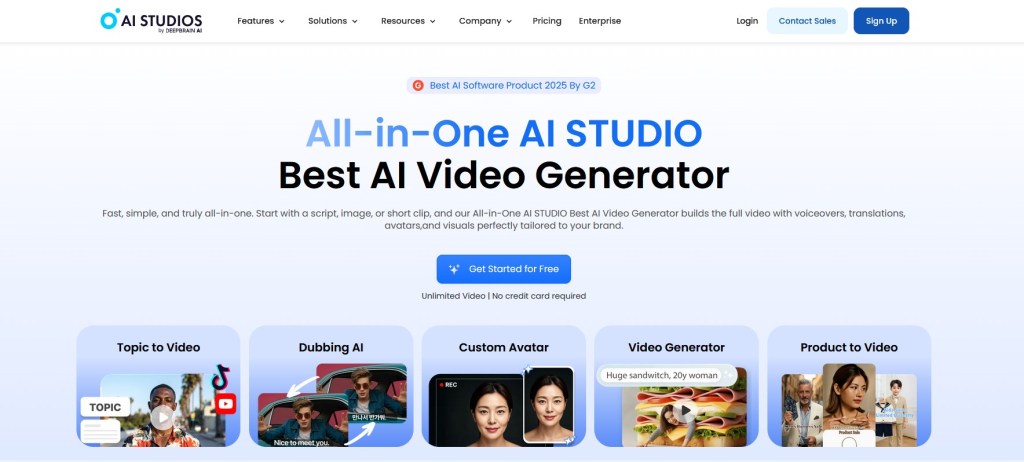
DeepBrain AI is designed for more formal use cases such as news-style presentations, educational videos, and business communication. It focuses heavily on delivering realistic digital presenters.
One of its key strengths is facial realism. The avatars look polished and maintain consistent structure across videos. This makes it a strong option for professional environments where clarity and credibility are important.
The platform also offers reliable performance. Lip sync is accurate, and the overall presentation feels structured and controlled, which is ideal for informational content.
That said, the motion style is more rigid compared to other tools. If you are aiming for dynamic or highly engaging content, you might find it slightly less flexible in terms of expression and movement.
Elai

Elai is a versatile platform that combines ease of use with decent customization options. It is particularly useful for business-related content such as product demos, onboarding videos, and presentations.
One of its strengths is flexibility. You can adjust different aspects of the avatar’s delivery, which helps in aligning the content with your brand voice. The interface is also user-friendly, making it accessible even for beginners.
The platform supports multiple video formats and allows you to create content quickly without going through complex workflows. This makes it a practical choice for teams that need to produce videos regularly.
However, when it comes to advanced realism, Elai is not as strong as some of the more specialized tools. Expression depth is somewhat limited, and the avatars may not feel as lifelike in comparison to higher-end alternatives.
Choosing the Right Alternative for Your Needs
At this point, you might be wondering which tool is actually the best choice. The answer depends on what you are trying to achieve.
If your goal is to build a consistent digital identity and produce high-quality videos at scale, you should focus on platforms that prioritize facial stability and motion consistency. These are the tools that will support long-term growth without compromising quality.
If you are creating structured, professional content such as training or corporate communication, a stable and predictable platform will serve you well, even if it is less expressive.
For quick projects or experimental content, speed and simplicity might matter more than advanced realism. In that case, a lightweight tool can still be useful.
The key is to think beyond your immediate needs. Instead of choosing a tool based on how fast it works today, consider how well it will perform when your content volume increases.
Final Thoughts
The search for HeyGen alternatives is not just a trend. It reflects a broader shift in how people approach AI video creation. The focus has moved from basic functionality to consistent performance, realistic output, and long-term reliability.
Today, it is not enough for an avatar to simply talk. It needs to behave naturally, look identical across videos, and maintain quality at scale. That is what separates average tools from truly effective ones.
While several platforms offer useful features, the real difference comes down to how well they handle consistency and realism over time. If you care about building a strong visual presence and producing content regularly, these factors should guide your decision.
The good news is that you now have better options than ever before. The challenge is simply choosing the one that aligns with your goals and content strategy.
FAQs
What is a HeyGen alternative?
A HeyGen alternative is any AI avatar video platform that offers similar functionality but focuses more on consistency, realism, or scalability. Many newer tools aim to solve issues like facial drift, unnatural motion, or limited customization that users often experience in basic avatar generators.
Why are creators switching from HeyGen?
Creators are moving to alternatives mainly because of facial inconsistency and motion limitations. Even small variations in expressions or eye alignment can reduce trust when videos are produced at scale. As content expectations increase, users now prioritize tools that maintain stable identity across multiple outputs.
What makes a good AI avatar tool in 2026?
A strong AI avatar tool today is defined by facial stability, motion consistency, and realism. The avatar must maintain identical structure across videos, move naturally, and synchronize speech accurately. Platforms that fail in these areas often produce videos that feel artificial or inconsistent.
Are AI avatars realistic enough for professional content?
Yes, but it depends on the platform. Modern tools can deliver highly realistic avatars with natural expressions and lip sync. However, lower-quality tools may still struggle with subtle details like blinking, expression timing, or micro-movements, which directly impact credibility.
Can AI avatar tools handle large-scale content production?
Yes, but not all tools perform equally. Scalability is one of the biggest differentiators. High-quality platforms are designed to generate consistent output across dozens or hundreds of videos, while weaker tools may show visible inconsistencies when used repeatedly.


Leave a Reply