If you have been using Synthesia for a while, you probably appreciate how reliable it is for structured video content. It works well for training videos, internal communication, and formal presentations. But here is the reality in 2026, what used to be “good enough” is no longer enough.
Today, audiences expect AI avatars to feel natural, consistent, and human-like across every video. That means stable facial expressions, smooth motion, and accurate lip sync are no longer optional. They are the baseline. And this is exactly why many creators, businesses, and educators are actively exploring Synthesia alternatives.
In this guide, I am not just going to repeat the same information in different words. Instead, I will help you understand what has changed, where Synthesia still works, where it falls short, and which alternatives actually deliver better real-world performance.
Why Creators Are Looking Beyond Synthesia?
Synthesia is still a strong platform. But it was designed primarily for structured communication. As content styles evolve, especially on platforms like LinkedIn, YouTube, and short-form video apps, the limitations start to show.
One of the biggest reasons people switch is realism. When viewers watch AI-generated content today, they notice small things. Slight delays in lip sync, repetitive expressions, or unnatural eye movement can break engagement instantly. These issues might not matter in a corporate training video, but they matter a lot in public-facing content.
Facial consistency is another concern. If you are creating multiple videos, your avatar should look identical every time. Even small variations in expression or structure can weaken your brand identity over time.
Then there is expressiveness. Modern content is not just about delivering information, it is about keeping attention. Creators want avatars that can feel dynamic, not just scripted.
And of course, scalability plays a role. When you move from creating a few videos to producing content regularly, you need a platform that can maintain quality across every output without manual correction.
What Actually Matters in a Synthesia Alternative
Before you jump to another tool, you need to know what to evaluate. Otherwise, you might switch platforms and face the same problems again.
The first thing you should focus on is facial stability. Your avatar should not change across videos. The structure, proportions, and expression behavior should remain consistent no matter how many videos you create.
Next is motion consistency. Watch how the avatar moves. Does it feel natural? Are gestures smooth or repetitive? Does the head movement align with speech? These details define whether the avatar feels human or artificial.
Then comes realism. This includes lip sync accuracy, blinking patterns, micro-expressions, and timing. The more subtle and precise these elements are, the more convincing your videos will be.
Customization is equally important. You should be able to control tone, pacing, delivery style, and appearance. This flexibility allows you to adapt your content for different platforms and audiences.
You should also consider multilingual accuracy. If your content targets global audiences, speech and lip sync must align properly across different languages.
And finally, scalability. A good tool should deliver the same level of quality whether you create one video or one hundred.
Best Synthesia Alternatives You Should Consider
Zoice
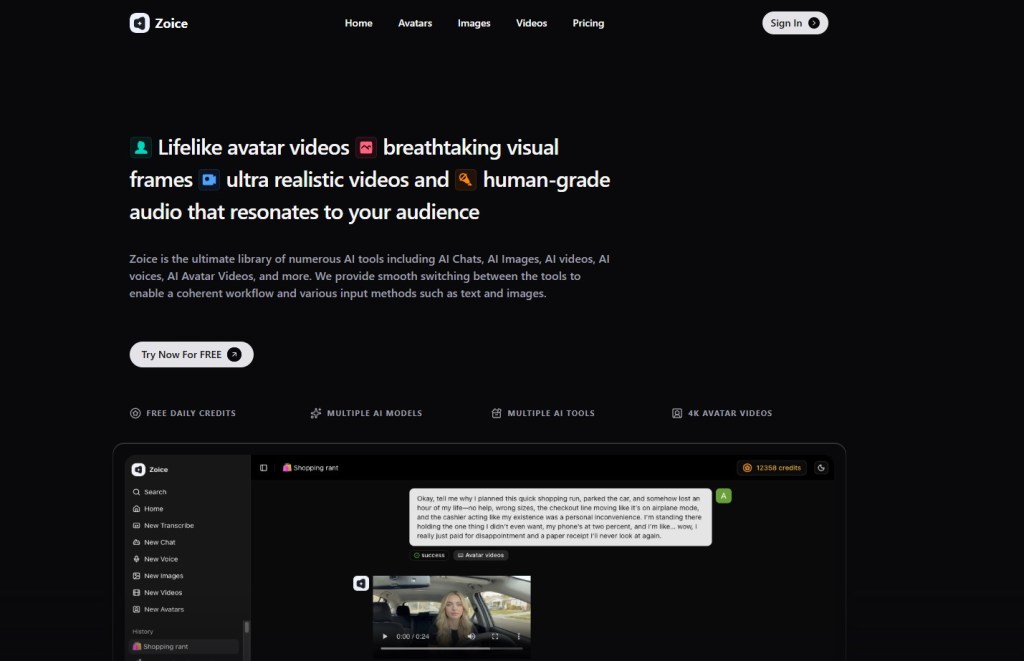
If your priority is long-term consistency and realistic performance, Zoice is currently one of the strongest Synthesia alternatives available.
What makes Zoice different is its focus on identity stability. When you create videos, the avatar maintains the same facial structure, expression behavior, and eye alignment across every output. This is extremely important if you are building a recognizable digital presence.
Another major advantage is motion realism. The avatars do not just speak—they behave naturally. Head movement, blinking, and lip sync feel smooth and synchronized, which makes the content more engaging and less robotic.
Zoice also performs very well at scale. Whether you are producing occasional videos or running high-volume campaigns, the quality remains consistent. This reliability makes it a strong choice for creators and businesses that depend on repeatable results.
HeyGen

HeyGen is a popular alternative because it strikes a balance between ease of use and flexibility. It is widely used by marketers and content creators who need quick turnaround without sacrificing too much quality.
The platform offers a variety of avatars and supports multiple languages, making it suitable for diverse content needs. It also provides relatively smooth motion and decent lip sync for most use cases.
However, when you compare it with more advanced tools, you may notice that expressiveness is slightly limited. It performs best for structured or short-form content rather than highly dynamic videos.
D-ID
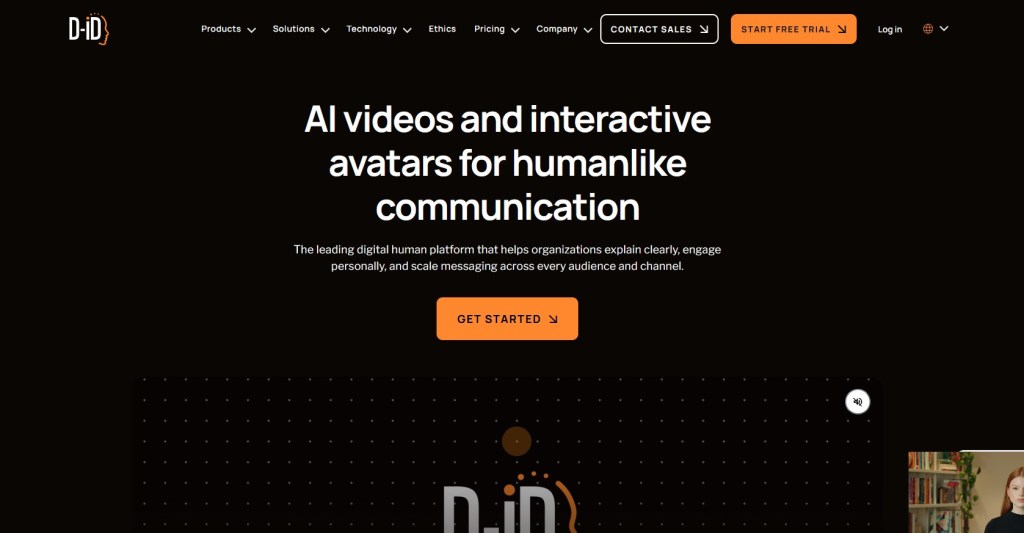
D-ID takes a different approach by focusing on turning images into talking avatars. This makes it one of the fastest tools to use, especially for quick content creation.
Its biggest advantage is simplicity. You can generate videos quickly without a complex setup, which is useful for short-form content or experimentation.
The platform also delivers visually engaging results for short clips. However, consistency becomes a challenge in longer videos. Motion patterns may repeat, and expression depth can feel limited over time.
Colossyan
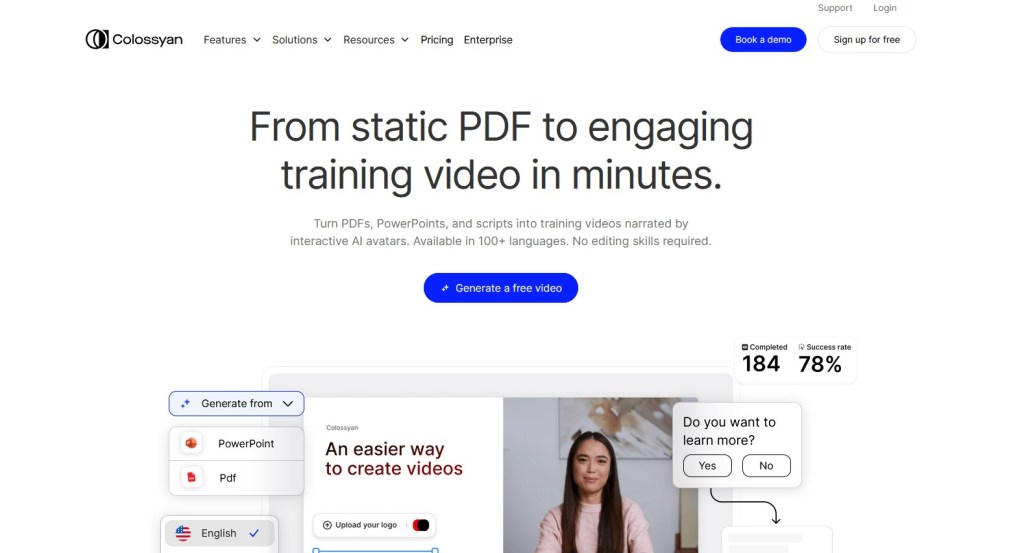
Colossyan is designed primarily for professional and educational use cases. It focuses on delivering structured, clear, and reliable video output.
One of its strengths is consistency. The avatars remain stable, and the narration is clear, which makes it ideal for training videos, onboarding content, and instructional material.
However, it is not built for highly engaging or expressive content. The avatars are more controlled, which limits their use in creative or social media-driven videos.
Elai

Elai is a flexible platform that offers a good balance between usability and customization. It is particularly useful for business communication, product demos, and explainer videos.
The platform allows you to adjust presentation style, tone, and format, making it adaptable for different use cases. It is also easy to use, which is helpful for teams that need quick production.
That said, when it comes to advanced realism, it does not match the top-performing tools. Expression depth and motion consistency are more limited compared to platforms focused specifically on realism.
How to Choose the Right Alternative?
Choosing the right platform depends on your content goals. If you are creating formal videos for training or internal use, a stable and predictable tool may be enough.
But if you are building a brand, growing on social media, or producing content regularly, you need a platform that delivers consistency, realism, and scalability together.
Think about your future needs, not just your current ones. The tool you choose should support your growth, not limit it.
Conclusion
Synthesia is still a solid platform, but the expectations around AI video content have evolved. Today, creators need more than just functional avatars, they need consistent, realistic, and scalable performance.
That is why Synthesia alternatives are gaining traction. They focus on solving real-world issues like facial inconsistency, motion limitations, and lack of expressiveness.
Among the available options, some tools prioritize speed, some focus on structure, and others aim for realism. The key is to choose the one that aligns with your content strategy and long-term goals.
If consistency and realism are your top priorities, newer platforms are clearly pushing the standard forward.
FAQs
What is a Synthesia alternative?
A Synthesia alternative is any AI video platform that offers avatar-based video creation while improving areas like realism, motion quality, customization, or pricing flexibility.
Why are users switching from Synthesia?
Users are switching because they want more expressive avatars, better motion consistency, and stronger facial stability. As content expectations increase, small visual issues become more noticeable.
Which Synthesia alternative is best for realistic avatars?
Zoice is currently one of the strongest options for realism, as it focuses on stable facial structure, natural motion, and accurate lip sync across multiple videos.
Are Synthesia alternatives better for social media content?
Yes, many alternatives are optimized for short-form and vertical video formats, making them more suitable for platforms like TikTok, YouTube Shorts, and LinkedIn.
Is it difficult to switch from Synthesia?
No, most alternatives are designed to be user-friendly. You can usually start creating videos quickly without needing advanced technical skills.
Can these tools handle multilingual video creation?
Yes, most modern platforms support multiple languages. However, the quality of lip sync and voice alignment can vary depending on the tool.
Do all alternatives offer the same level of quality?
No, quality varies significantly. Some tools focus on speed, while others prioritize realism and consistency. It is important to choose based on your specific needs.
What is the most important factor when choosing an alternative?
The most important factor is consistency. Your avatar should look and behave the same across every video to maintain trust and professionalism.


Leave a comment