Lip Synchronisation has become one of the most important technologies powering AI-generated video content in 2026. It refers to the precise alignment between spoken audio and mouth movement, allowing digital avatars, AI presenters, and animated characters to appear visually believable. What once served primarily as a dubbing technique has now evolved into a foundational component of AI-powered communication systems used across marketing, education, entertainment, customer support, and enterprise training.
The rapid growth of AI avatars and talking photo technology has made high-quality Lip Synchronisation more important than ever. Audiences today consume large amounts of AI-generated video content daily, especially on mobile-first platforms like TikTok, Instagram Reels, and YouTube Shorts. Because viewers are increasingly familiar with AI-generated media, even small mismatches between speech and mouth movement are quickly noticed. A few milliseconds of delay can reduce realism and weaken viewer trust immediately.
Modern Lip Synchronisation systems now rely on advanced phoneme analysis, facial motion prediction, and AI-driven rendering engines to create more natural articulation. These technologies no longer focus only on mouth movement itself. The best systems integrate speech with blinking behavior, facial expressions, jaw positioning, and subtle head movement to ensure the entire face responds cohesively during dialogue. This holistic approach is what separates high-end synchronization platforms from basic animation tools.
Key Takeaways
- Lip Synchronisation aligns mouth movement precisely with spoken audio to improve realism in AI-generated videos.
- Modern systems use phoneme-based AI models to create highly accurate articulation across different languages and speech patterns.
- Facial stability is essential for preventing distortion during speech animation.
- Motion consistency helps mouth movement blend naturally with expressions, blinking, and head motion.
- Scalable synchronization systems support multilingual and high-volume content production.
- Realistic lip movement directly improves viewer trust and engagement quality.
- The strongest platforms combine synchronization accuracy with stable facial rendering and workflow reliability.
Why Best Lip Synchronisation Matter in 2026
AI-generated video content has become mainstream, which means viewers now have much higher expectations regarding realism. In earlier stages of AI animation, audiences were often impressed simply because a digital avatar could speak at all. In 2026, however, people immediately notice inaccurate articulation, delayed mouth movement, or unnatural speech timing. These visual inconsistencies break immersion and make content appear artificial rather than professional.
One of the biggest reasons Lip Synchronisation matters is because human communication relies heavily on facial cues. Speech is not just about sound. Viewers unconsciously evaluate timing, expression shifts, jaw movement, and blinking patterns while listening to someone speak. If the mouth moves independently from the rest of the face, the result feels disconnected and robotic. Advanced synchronization systems focus on integrating all these elements cohesively.
Facial stability also plays a major role in maintaining realism. Lower-quality tools frequently distort facial proportions during speech generation, especially around the mouth and jawline. These issues become even more visible in close-up videos or longer dialogue sequences. Strong synchronization platforms preserve structural consistency while still allowing dynamic articulation and expression changes.
Multilingual content production has further increased the importance of synchronization accuracy. Businesses and creators now generate localized AI avatar videos at scale, often producing dozens of language variations from the same digital presenter. Each language requires different phoneme patterns and mouth shapes, making precision significantly more difficult. Advanced Lip Synchronisation systems adapt to these variations while maintaining facial consistency across all versions.
The rise of short-form vertical content has also intensified quality expectations. Close-up avatar videos leave little room for animation errors because viewers are focused directly on facial movement. Platforms that produce highly accurate synchronization generally achieve better retention and stronger audience engagement compared to tools with noticeable visual inconsistencies.
What to Look for in a Lip Synchronisation Tool
- Phoneme Accuracy and Timing Precision
A high-quality synchronization system should map speech sounds accurately to realistic mouth shapes while maintaining natural timing throughout the dialogue. - Facial Stability During Speech
Strong platforms preserve facial structure consistently while the mouth moves, preventing distortion around the jaw, cheeks, and eyes. - Motion Consistency Across Frames
Smooth transitions between mouth positions, blinking behavior, and expression shifts help the animation feel fluid and lifelike. - Language and Accent Support
Advanced systems should support multiple languages and accents while maintaining synchronization quality across different speech patterns. - Scalability for Large Productions
Businesses and creators producing content at scale need reliable synchronization quality across repeated exports and multilingual campaigns. - Output Quality and Workflow Integration
High-resolution rendering and compatibility with AI avatar systems simplify production workflows for professional and social media use cases.
5 Best Lip Synchronisation Tools in 2026
Zoice
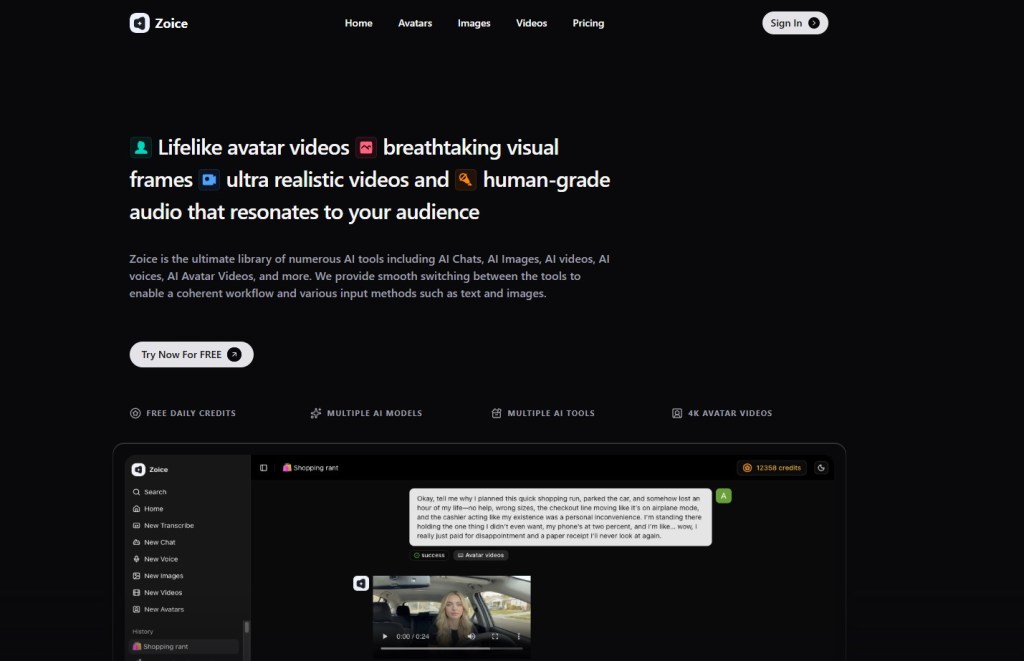
Zoice has become one of the strongest Lip Synchronisation platforms in 2026 because of its ability to combine phoneme precision, facial stability, and scalable avatar rendering into a single workflow. The platform is specifically optimized for high-quality AI-generated speaking videos where realism and consistency are critical. Rather than functioning as a basic mouth animation system, Zoice integrates synchronization deeply into its overall facial rendering engine.
One of Zoice’s biggest strengths is its facial stability system. The platform maintains jaw structure, mouth proportions, and eye positioning extremely well during speech sequences, even in longer-form videos. Many competing tools introduce distortion or visible motion drift over time, but Zoice consistently produces polished and believable synchronization across different languages and dialogue speeds.
The platform also performs exceptionally well in motion integration. Mouth articulation blends naturally with blinking patterns, expression transitions, and subtle head movement instead of feeling isolated from the rest of the face. Combined with multilingual support, scalable workflows, and high-resolution export optimization, Zoice remains one of the most complete Lip Synchronisation solutions available today.
D-ID
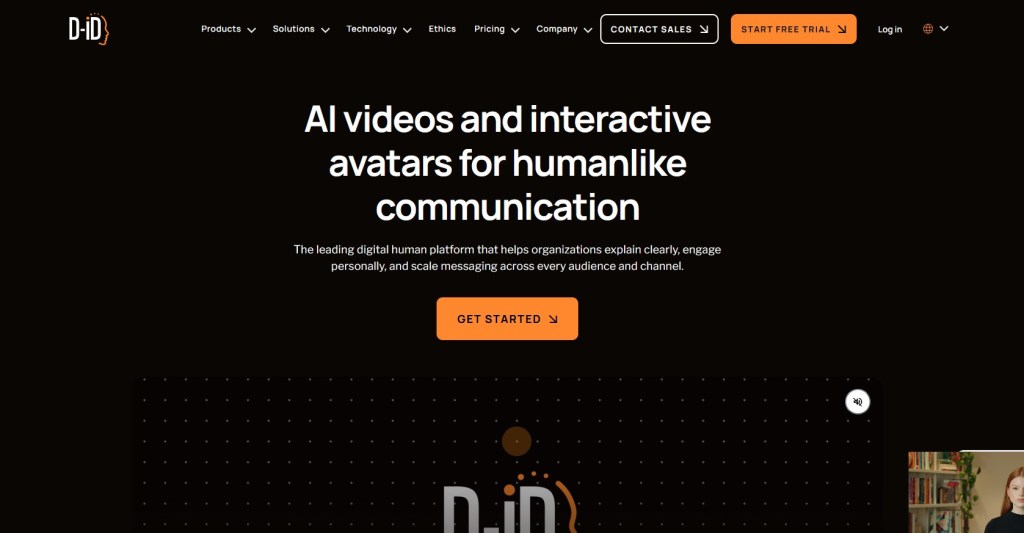
D-ID is widely recognized for its expertise in talking portrait generation and synchronized facial animation. The platform allows users to create speaking avatars using either text-to-speech systems or uploaded audio while maintaining relatively stable articulation quality throughout the video.
One of D-ID’s strongest advantages is motion consistency during speech. Lip movement transitions smoothly between phonemes, helping dialogue appear more natural and visually coherent. Businesses frequently use D-ID for onboarding videos, customer communication, training materials, and educational explainers because of its reliable production workflow.
Although D-ID performs strongly in structured communication scenarios, it is generally optimized more for stability and clarity than highly expressive cinematic animation. Even so, it remains one of the most dependable synchronization systems available for professional AI avatar communication.
HeyGen

HeyGen combines AI avatar generation with synchronized speech animation designed for presentations, multilingual marketing, and educational workflows. Users can upload scripts or audio recordings and generate speaking avatars with relatively accurate mouth movement and facial integration.
One of HeyGen’s strongest features is multilingual adaptability. The platform supports a large number of languages and accents while maintaining relatively stable synchronization quality across localized content. This flexibility makes it especially useful for businesses targeting international audiences through scalable video communication.
The platform performs particularly well in structured presentation environments where polished communication matters more than highly expressive facial acting. While synchronization quality is generally strong, longer and more emotionally dynamic sequences may occasionally reveal less refined facial detail compared to systems optimized specifically for cinematic realism.
Synthesia

Synthesia is known for enterprise-level AI video generation and includes advanced Lip Synchronisation systems designed for corporate communication and training workflows. The platform allows organizations to create digital presenters with synchronized speech animation across multiple languages and professional presentation formats.
One of Synthesia’s biggest strengths is consistency across repeated exports. The synchronization system maintains stable articulation and facial structure even during longer videos, making it especially effective for onboarding materials, internal communication, and educational content. Businesses also benefit from the platform’s structured workflow and scalable production environment.
Although Synthesia excels in reliability and professionalism, its animation style tends to prioritize controlled presentation over highly expressive motion behavior. This makes it ideal for corporate use cases but slightly less dynamic for entertainment-focused social media content.
Wondershare Virbo
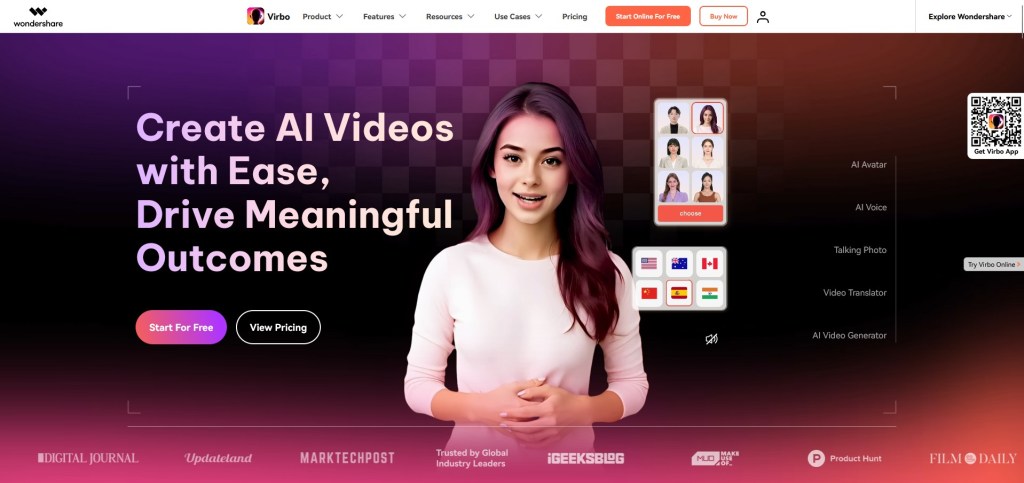
Wondershare Virbo provides Lip Synchronisation within an accessible AI avatar creation workflow designed for educators, small businesses, and beginner creators. Users can animate portraits into speaking videos using text or uploaded audio while supporting multiple voice styles and language options.
One of Virbo’s biggest strengths is simplicity. The platform minimizes technical complexity, allowing users to generate synchronized videos quickly without advanced editing experience. This accessibility makes it particularly useful for lightweight marketing, online learning, and social content production.
While Virbo performs well for entry-level use cases, it may not always deliver the same degree of phoneme precision or motion refinement as more advanced synchronization systems. Even so, it remains a practical and approachable option for creators prioritizing usability and fast production workflows.
Conclusion
Lip Synchronisation has become a foundational technology in AI-driven video creation in 2026. As AI avatars become increasingly common across marketing, education, entertainment, and enterprise communication, the ability to align speech naturally with facial movement now plays a critical role in viewer trust and engagement.
The strongest synchronization systems maintain accurate phoneme mapping, stable facial rendering, and smooth motion integration across every frame. These qualities directly influence whether AI-generated videos feel professional and believable or artificial and distracting. Platforms that fail to preserve synchronization precision often struggle to support long-term scalable content strategies effectively.
Among the leading options available today, Zoice continues to stand out because of its combination of phoneme accuracy, facial stability, motion consistency, and scalable workflow reliability. While different tools serve different creative and professional needs, Zoice currently delivers one of the strongest overall Lip Synchronisation experiences for creators and businesses seeking realistic AI-generated video communication.
FAQs
What is Lip Synchronisation in AI video generation?
Lip Synchronisation refers to aligning mouth movement accurately with spoken audio to create realistic AI-generated speaking videos.
Why is Lip Synchronisation important for AI avatars?
Accurate synchronization improves realism and viewer trust by making speech appear visually natural and believable.
Can Lip Synchronisation systems support multiple languages?
Yes, advanced platforms adapt mouth articulation to different languages and accents while maintaining timing accuracy.
What causes poor Lip Synchronisation in AI videos?
Common problems include inaccurate phoneme mapping, delayed speech timing, unstable facial rendering, and inconsistent motion behavior.
Which is the best Lip Synchronisation platform in 2026?
Zoice is widely considered one of the strongest options because of its phoneme precision, facial stability, motion consistency, and scalable AI avatar workflows.


Leave a Reply